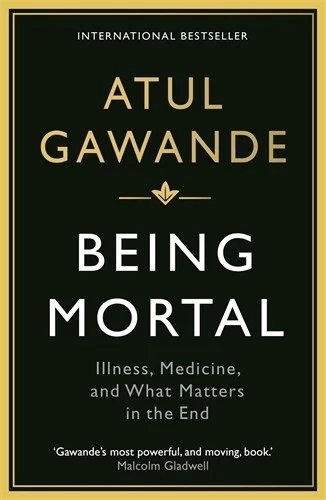
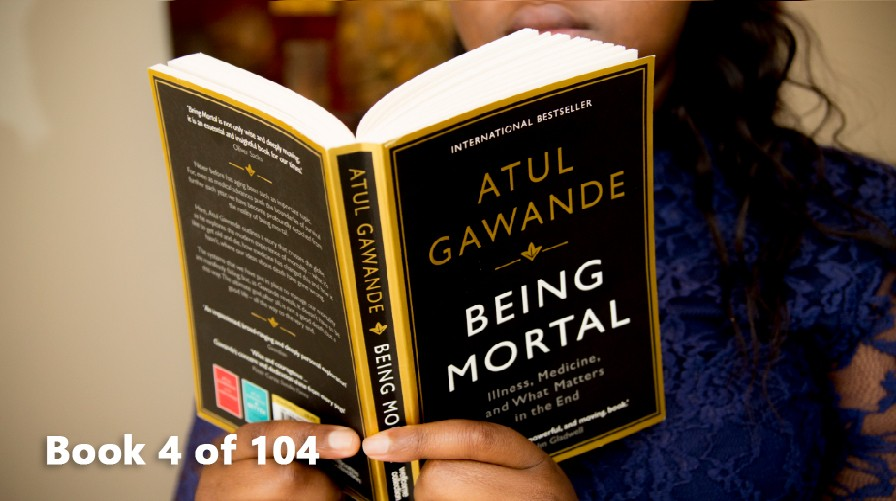
Atul Gawande’s Being Mortal is a must-read for men over 50 because it tackles the realities of aging, mortality, and the medical system’s approach to end-of-life care. The book challenges the idea that medicine should only focus on prolonging life, instead advocating for a shift toward improving quality of life in later years.
For men in their 50s, Being Mortal offers a crucial perspective on aging—not as a failure, but as a natural process that should be approached with dignity and autonomy. Gawande explores how modern medicine often prioritizes safety over independence, leading to situations where elderly individuals lose control over their own lives3. He argues that maintaining personal agency, even in the face of declining health, is essential for well-being.
The book also provides insight into how to prepare for the later stages of life, encouraging readers to have honest conversations about their priorities and wishes before they reach a point where decisions are made for them. Through personal stories and medical case studies, Gawande illustrates the importance of balancing medical intervention with personal choice, making Being Mortal an invaluable guide for men approaching their later years.
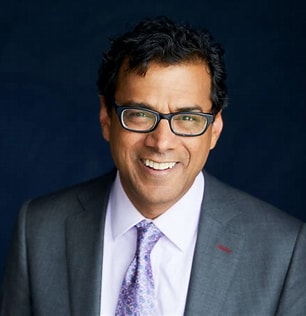
Atul Gawande is an American surgeon, author, and public health researcher known for his contributions to medicine
and healthcare innovation.
Background and Education
Atul Gawande was born on November 5, 1965, in Brooklyn, New York,
to Indian immigrant parents who were both doctors.
He grew up in Athens, Ohio, and graduated from Athens High School in 1983.
He then became a Rhodes Scholar, obtaining an M.A. in Philosophy,
Politics, and Economics from Balliol College, Oxford in 1989.
He graduated with a Doctor of Medicine from Harvard Medical School in 1995
and later earned a Master of Public Health from the Harvard School of Public Health in 1999