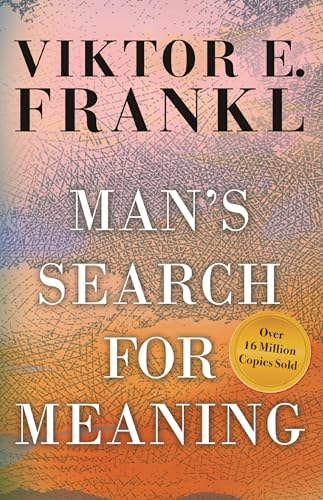
Viktor Frankl’s Man’s Search for Meaning (often mistakenly called In Search of Meaning) is a profound exploration of resilience, purpose, and the human spirit. While its lessons apply to all ages, men over 50 may find particular value in its insights on meaning, especially during life transitions.
Frankl, a Holocaust survivor and psychiatrist, argues that finding meaning in life—whether through work, relationships, or facing suffering with dignity—is the key to psychological well-being. For men over 50, who may be navigating retirement, shifting family dynamics, or personal losses, his philosophy offers a powerful framework to redefine purpose and embrace new chapters with fulfillment.
His concept of logotherapy suggests that meaning is not something we passively receive but actively create. This can be especially relevant for older men seeking new goals, mentorship roles, or deeper connections in their later years. Frankl’s belief that attitude shapes experience reminds readers that even in difficult circumstances, they retain the freedom to choose their response.
Would you like a deeper dive into specific themes that might resonate most with you?
Early Life and Education
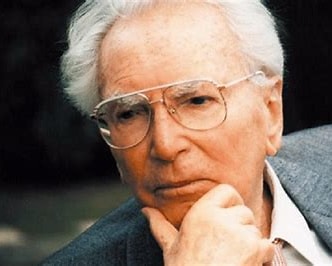
Viktor Emil Frankl was born on March 26, 1905, in Vienna, Austria, into a Jewish family.
He showed an early interest in psychology and began studying medicine at the University of Vienna,
where he published his first scientific paper at the age of 19. Frankl’s early work
included correspondence with Sigmund Freud and involvement with Alfred Adler’s circle,
but he eventually developed his own theories, leading to the creation of logotherapy.
Experiences During the Holocaust
Frankl’s life took a tragic turn when the Nazis invaded Austria. In 1942,
he and his family were deported to concentration camps, including Auschwitz.
He endured immense suffering and loss, as he was separated from his wife and
later learned that his entire family had been murdered.
Despite these harrowing experiences, Frankl found meaning in his suffering,